
AI and MS Advancements: A New Era of Treatment
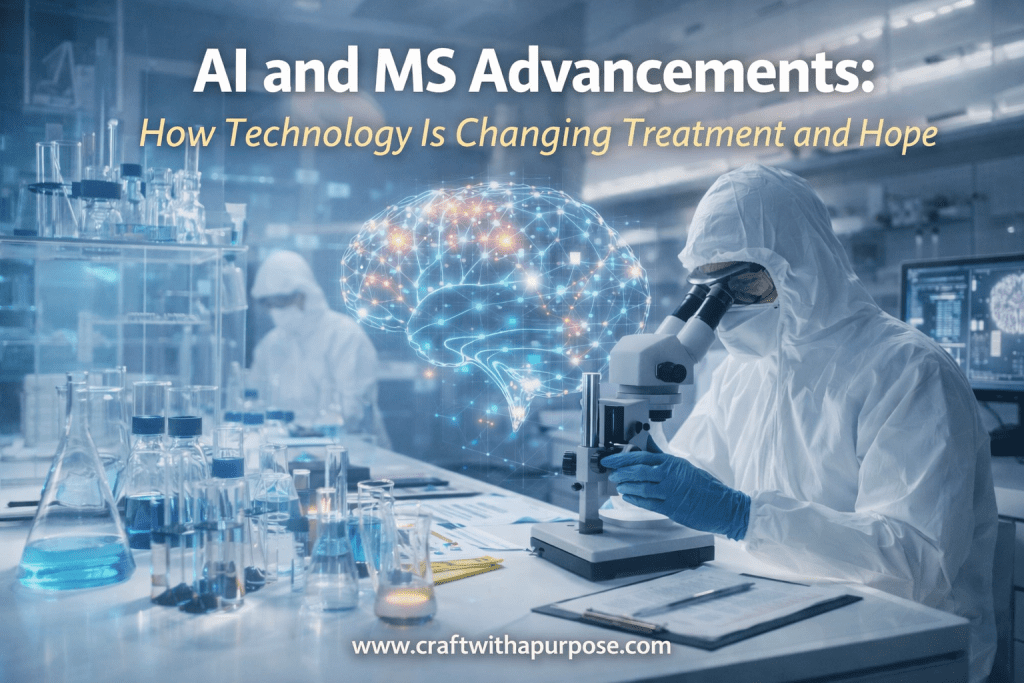
Multiple sclerosis research is entering a powerful new chapter. Thanks to artificial intelligence and emerging medical technologies, doctors are now able to detect patterns, predict progression, and personalize treatment in ways that were not possible just a few years ago.
Instead of relying solely on traditional imaging and symptom tracking, researchers are now using AI-driven systems to analyze massive amounts of data. As a result, they can identify subtle changes earlier and respond more precisely. For individuals living with MS, earlier detection often means earlier intervention — and that can make a meaningful difference.
How Artificial Intelligence Is Transforming MS Care
Artificial intelligence is helping neurologists interpret MRI scans with greater speed and accuracy. Machine learning models can detect lesion activity and subtle progression markers that might otherwise go unnoticed. Because MS can behave differently from person to person, this level of precision supports more customized care.
In addition, AI tools are assisting researchers in predicting which treatments may be most effective based on individual patient data. This shift toward precision medicine reduces the trial-and-error approach that many people with MS have experienced in the past.
Leading medical institutions such as Mayo Clinic continue to explore emerging therapies and innovative research strategies that combine technology with patient-centered care.
Emerging Treatments and Neuroprotection
Beyond AI, scientists are developing therapies aimed at protecting nerve cells and repairing myelin damage. Remyelination research is especially promising because it focuses on restoring what MS disrupts rather than simply slowing inflammation.
Furthermore, stem cell therapies and immune-modulating treatments are being refined to reduce long-term disability progression. Organizations like the National MS Society actively support clinical trials and research initiatives focused on long-term solutions.
These advancements represent a shift from reactive care to proactive management. Instead of waiting for relapses, doctors are increasingly focused on prevention, stability, and long-term independence.
Technology, Monitoring, and Everyday Life
Wearable technology and digital health tracking also play an expanding role in MS management. Smart devices can monitor mobility, fatigue patterns, and activity levels. Consequently, patients and doctors gain real-time insight into how MS affects daily routines.
By combining AI analytics with real-world data, researchers are building more comprehensive treatment models. This integration helps patients feel more informed and empowered in their healthcare journey.
Moving Forward With Hope
Living with MS still requires resilience. However, advancements in artificial intelligence and medical research are creating new layers of possibility. Progress is happening not only in laboratories but also in the way care is delivered and personalized.
At Craft With a Purpose, we believe innovation and hope go hand in hand. While MS presents challenges, research continues to move forward with determination and purpose. The combination of science, technology, and patient advocacy is reshaping the future — and that future is brighter than ever before.
For more inspiration and updates on living creatively and resiliently, visit our gallery or explore our services to see how purpose-driven creativity continues to grow.
Leave a Reply